

Taking part in Alone is as much a mental challenge as it is a physical one - and nowhere is that more evident than in the selection of your ten items.
You are allowed just ten tools to support your survival in one of the harshest environments on earth. Every choice matters. Every item must earn its place.
Before heading out to the Northwest Territories of Canada - where temperatures can drop as low as -50°C with wind chill, I carefully considered what would give me the best chance of enduring, adapting and ultimately surviving. Check out the video below where I talk through my ten items, or scroll through the read about each item.
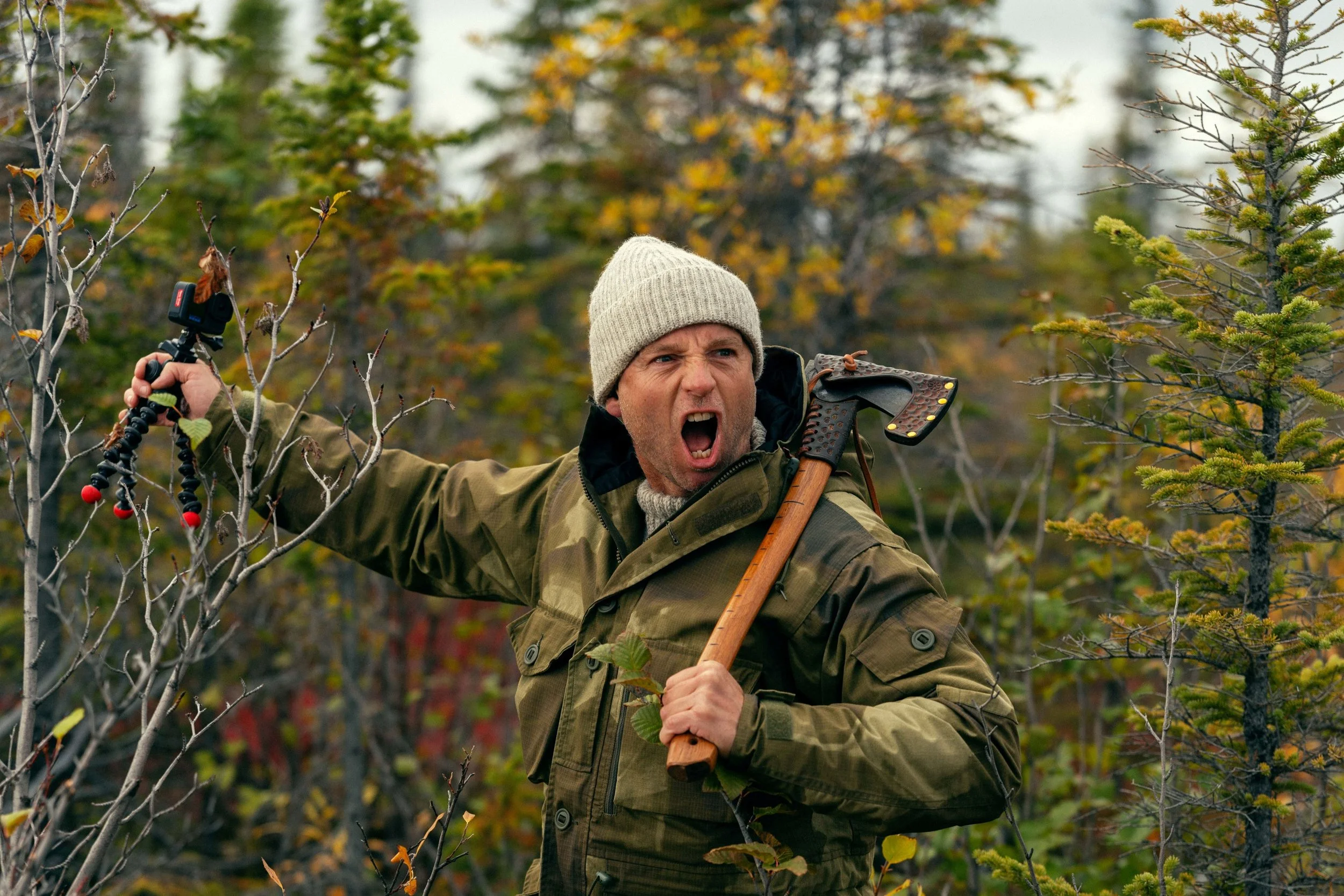
Here’s what I chose as my ten items, and why.
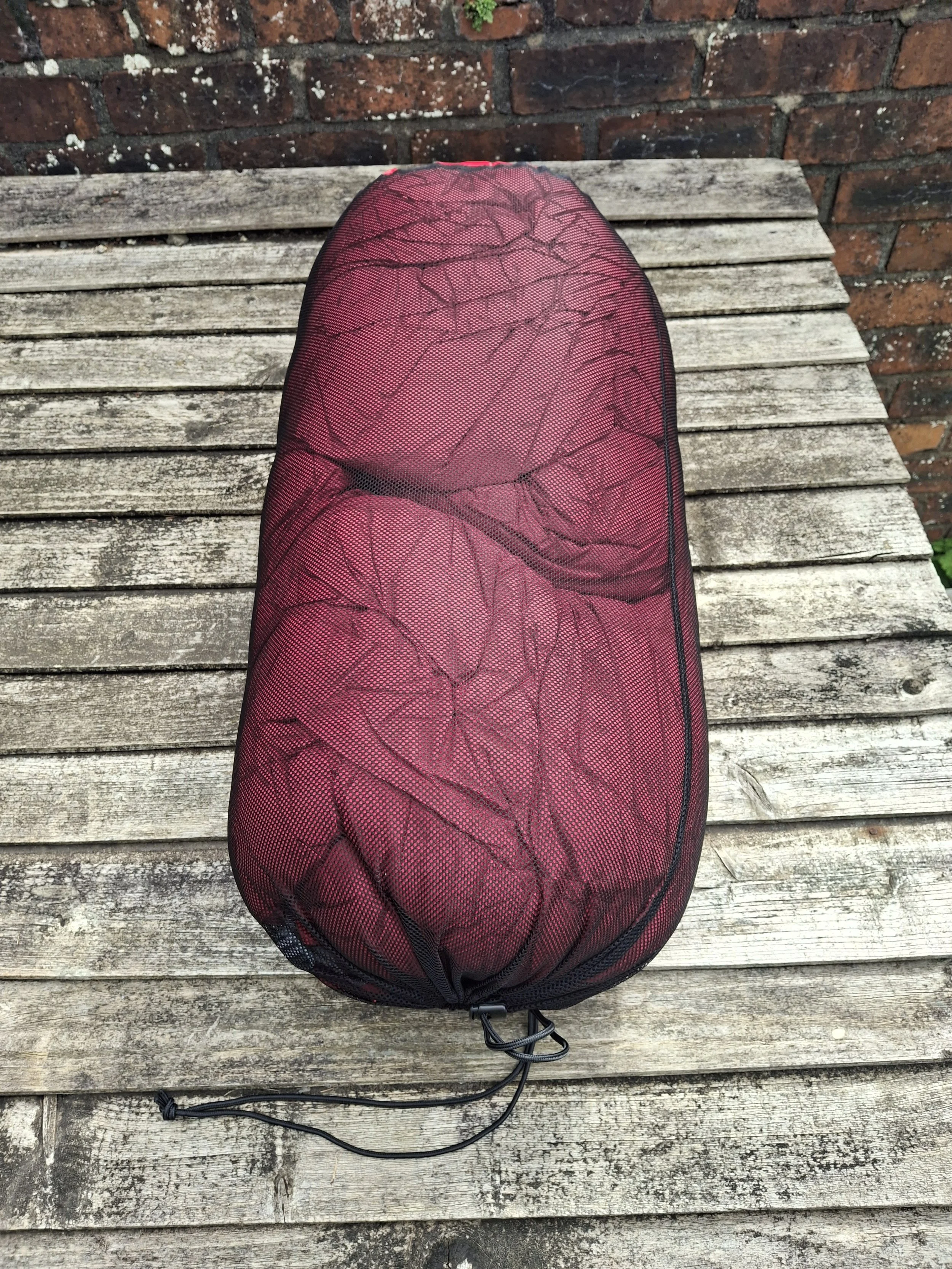
1. PHD Diameter 120 Sleeping Bag
At extreme temperatures, sleep isn’t a luxury, it’s survival.
I chose a PHD Diameter 120 Sleeping Bag, rated to -48°C. This is expedition-grade kit, designed specifically for the harshest environments on earth.
If your core temperature drops, everything else becomes harder. With significant weight loss expected, maintaining warmth overnight was absolutely critical.
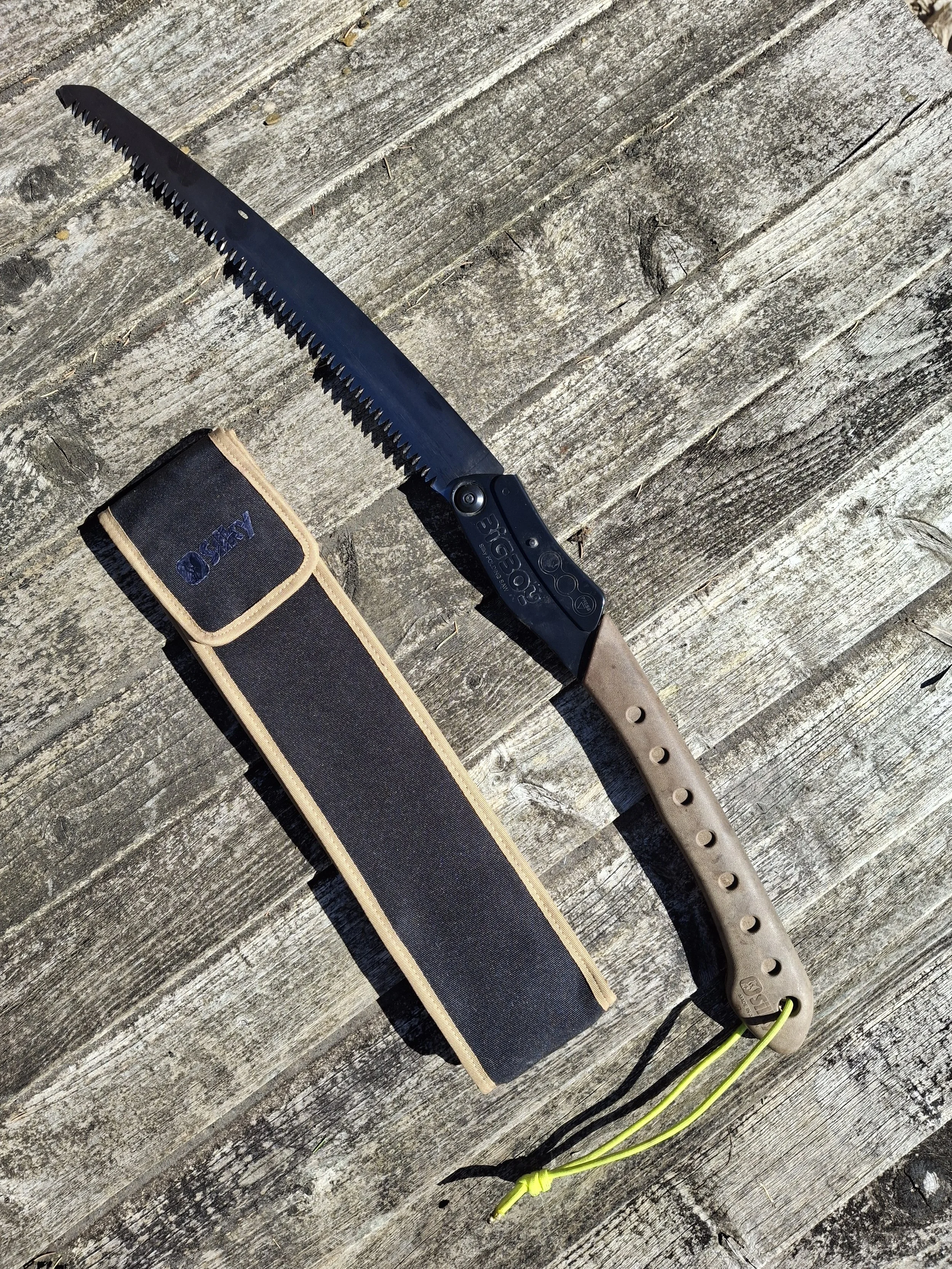
2. Silky BigBoy Outback Saw
For processing wood efficiently, a saw is invaluable.
I opted for the Silky BigBoy Outback Saw, a tool I’ve used extensively over the years. It’s capable of felling reasonably large trees and makes shelter building and firewood preparation far more efficient.
Reliable, familiar and proven - all key factors in my decision.
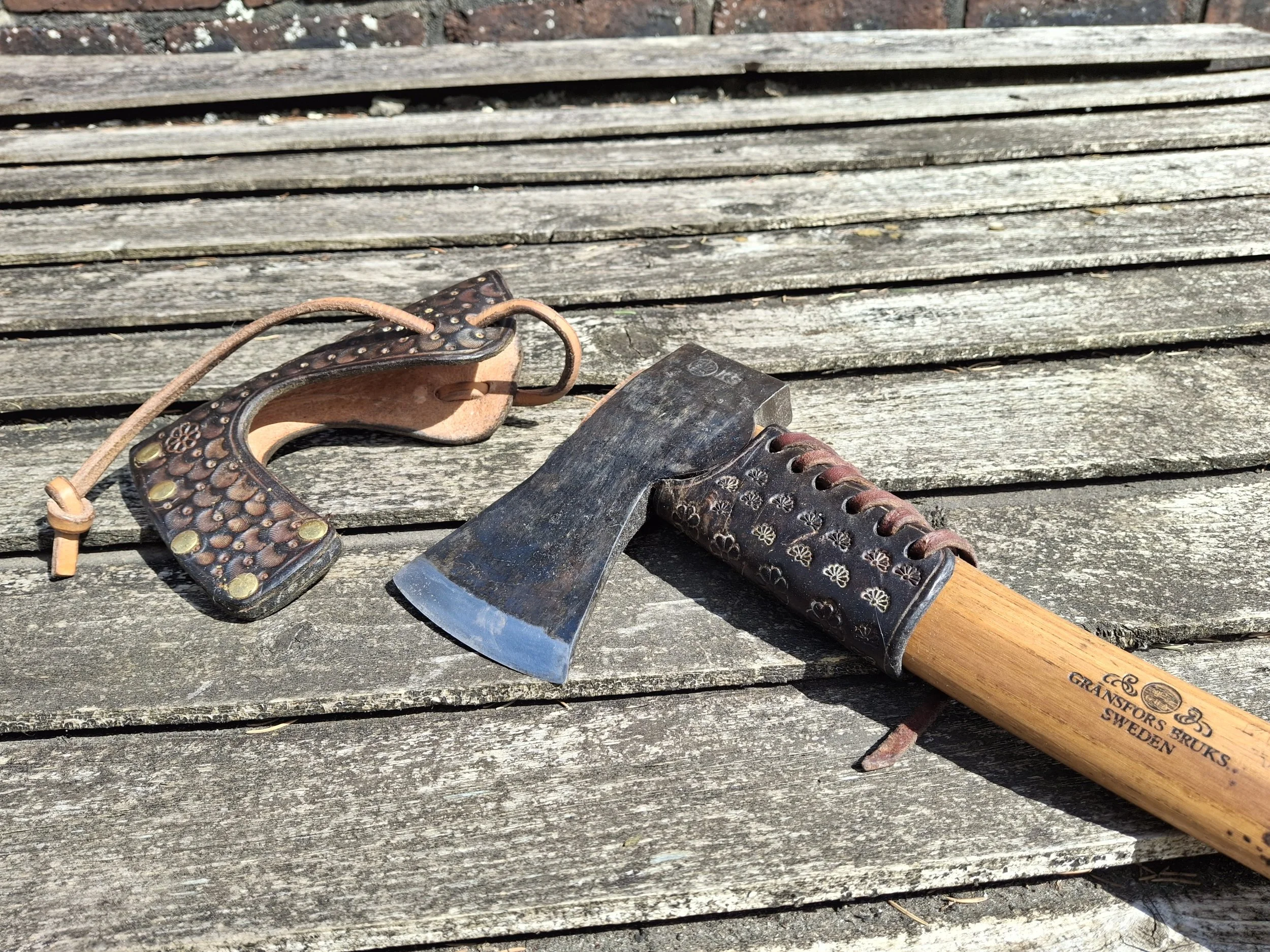
3. Gränsfors Bruk Scandinavian Forest Axe
The axe is one of the most versatile tools you can carry.
My choice was the Gränsfors Bruk Scandinavian Forest Axe — slightly larger than a small forest axe, giving me more power for felling and splitting, while still allowing for finer carving work.
A dependable, well-balanced tool that can handle almost any wood processing task.
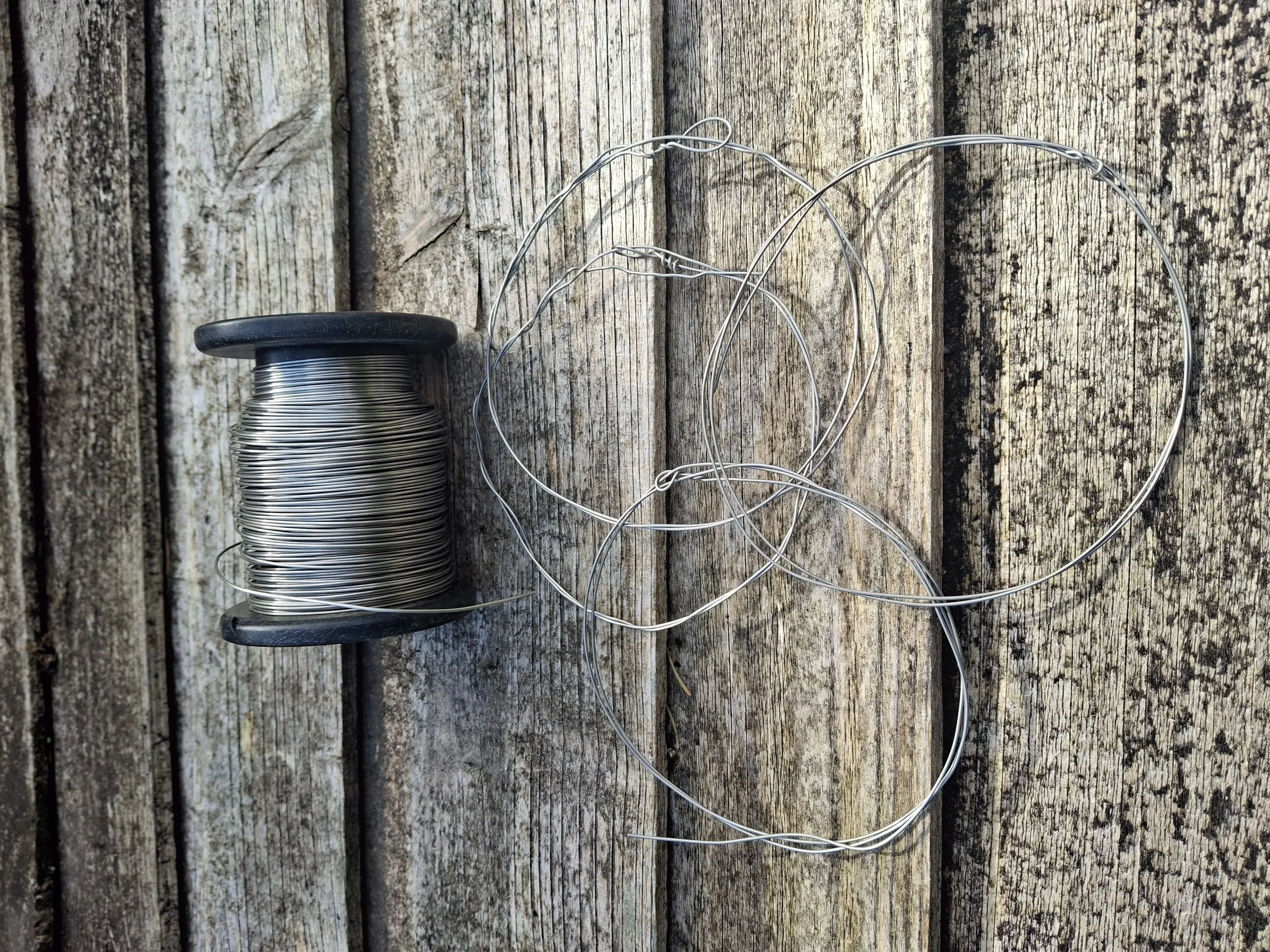
4. Snare wire
In a survival situation, conserving energy is essential.
I brought a combination of brass and stainless steel snare wire, allowing me to set traps for small game such as hare, muskrat and birds.
While active hunting is important, passive food collection through trapping can be the difference between burning calories and gaining them.
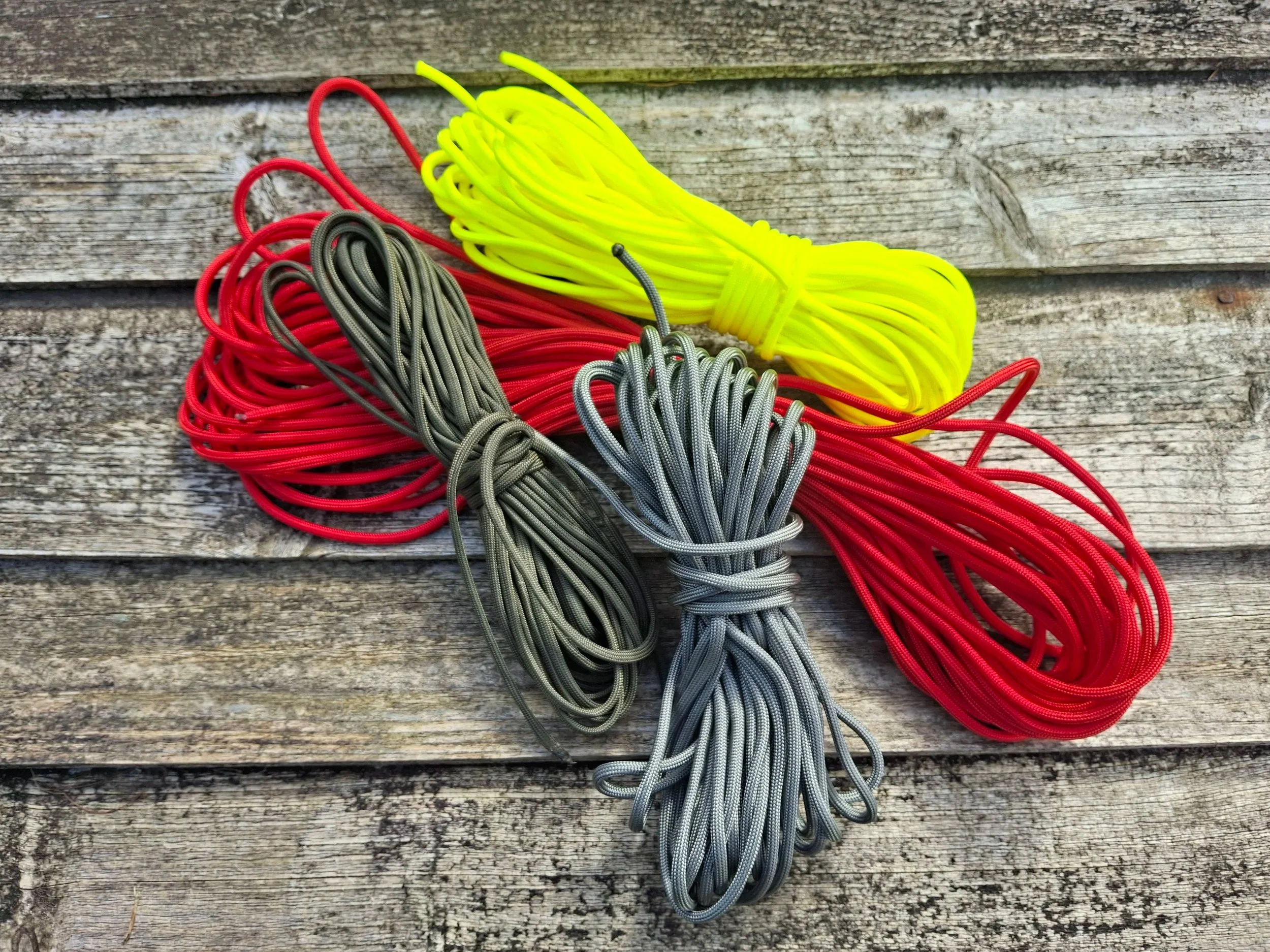
5. Paracord
Paracord is, quite simply, indispensable.
I carried 80 metres of 550 Paracord in a variety of colours. Not only is it incredibly strong, but the inner strands can be removed and used for fishing line, sewing or fine cordage.
Could I make cordage in the wild? Yes. Would it cost time and energy? Absolutely.
Paracord is efficiency.
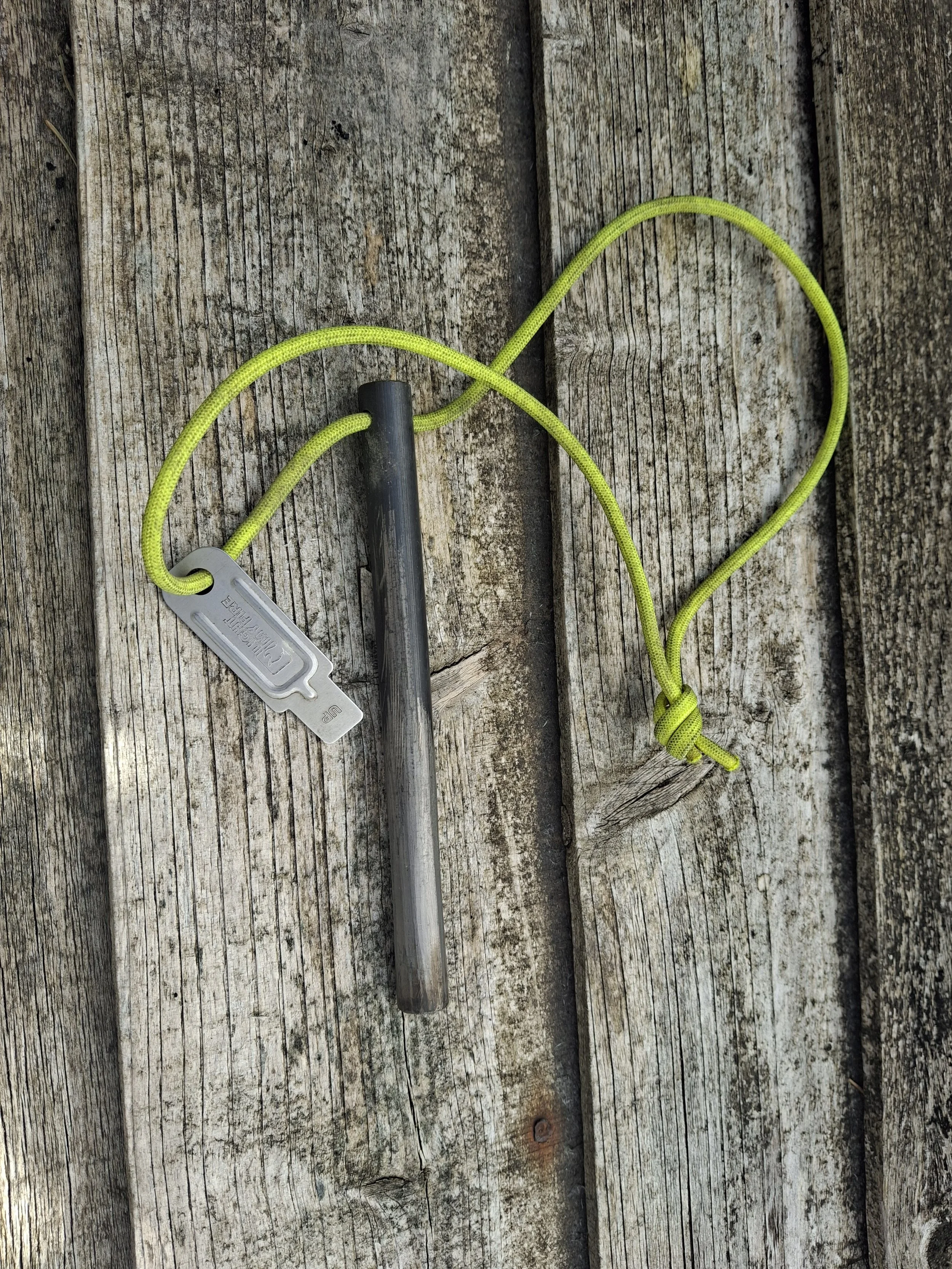
6. Ferrocerium Rod Fire Starter
This was one of the toughest decisions.
I can make fire using friction methods - and often do. But in an unknown environment, with extreme cold and limited energy reserves, reliability becomes paramount.
So I chose a Ferrocerium Rod Fire Starter.
Fire is life in the Arctic. It provides warmth, allows you to cook, boil water and melt snow. A dependable ignition source is not a luxury - it’s essential.
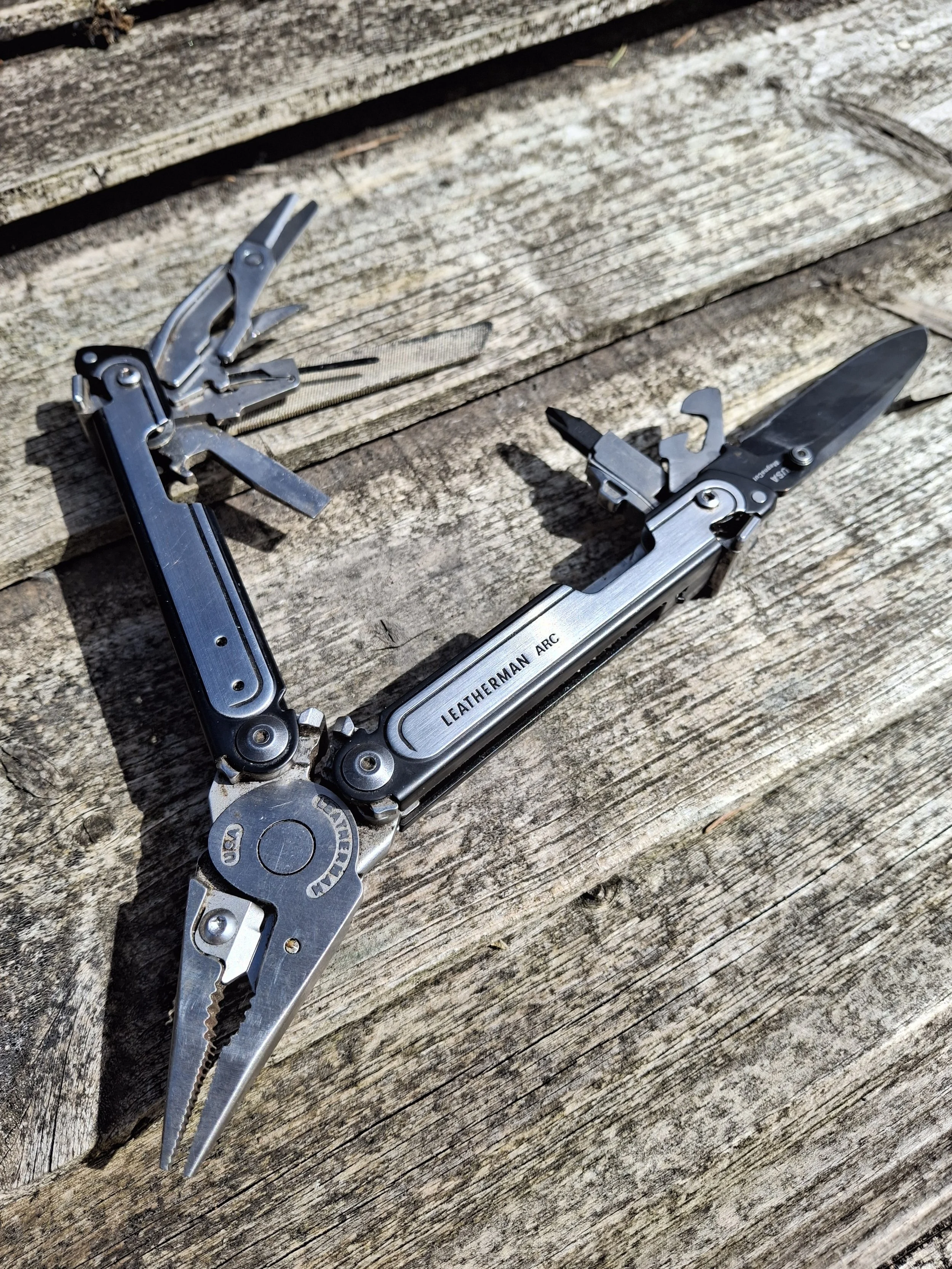
7. Leatherman ARC Multi-Tool
Rather than taking a traditional fixed-blade knife, I opted for the Leatherman ARC Multi-Tool.
With an axe, saw and arrowheads already in my kit, I prioritised versatility. The multi-tool provides pliers, a blade, and multiple small tools in one compact package.
It’s a different approach - but one that made sense for my overall system.
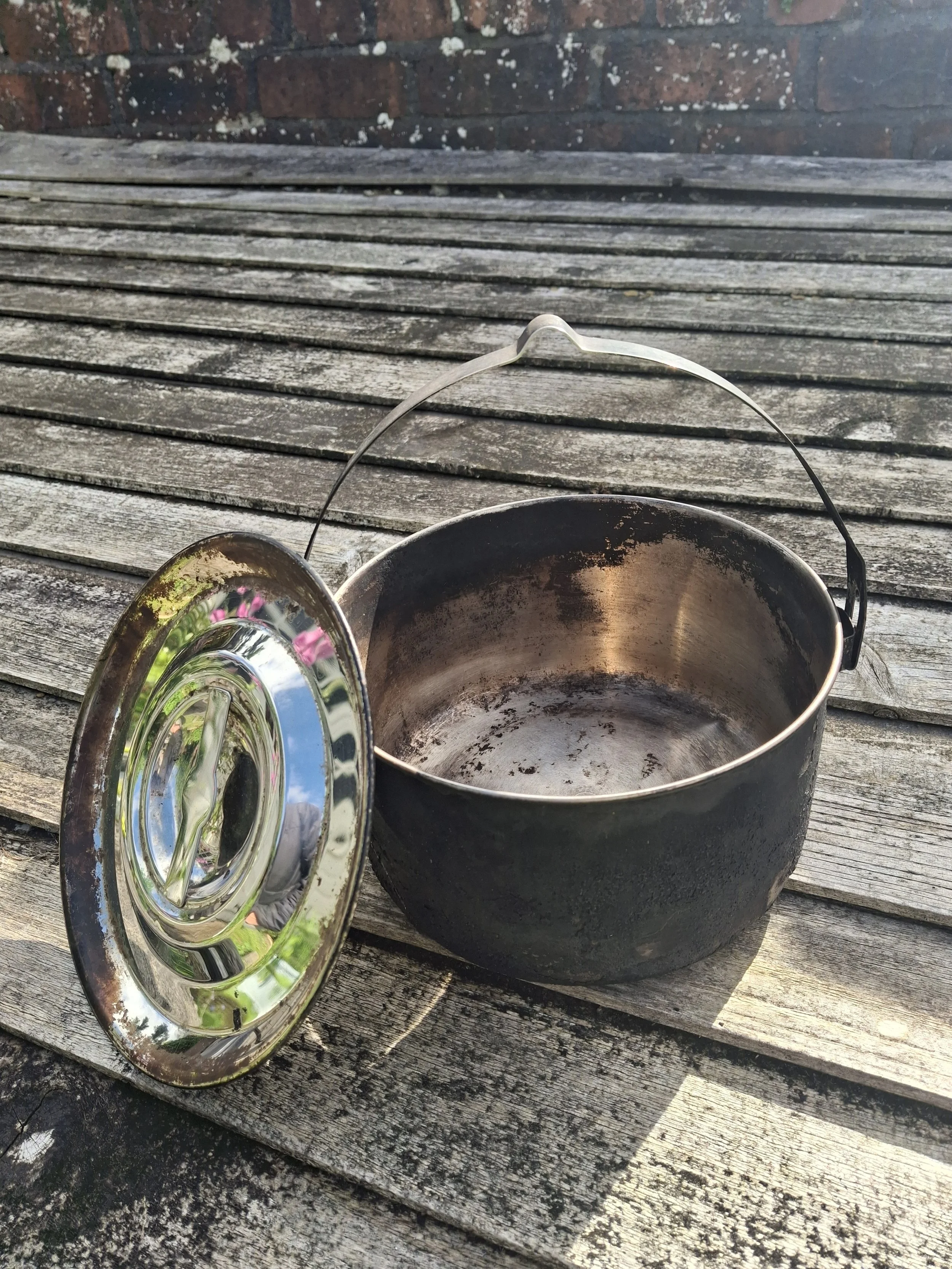
8. Cooking pot - simple, effective
A two-quart stainless steel pot might not seem exciting, but it is absolutely fundamental.
For boiling water, cooking food and melting snow, it’s indispensable. I chose stainless steel for its durability, ease of cleaning and reliable heat transfer.
Sometimes the simplest items are the most important.
9. Fishing kit
Water means fish, and fish mean protein.
My kit included:
300 metres of line (various strengths)
25 hooks
Options for creating lures and rigs
Fishing offers a relatively low-energy way of securing food, and in a long-term survival scenario, that efficiency is crucial.
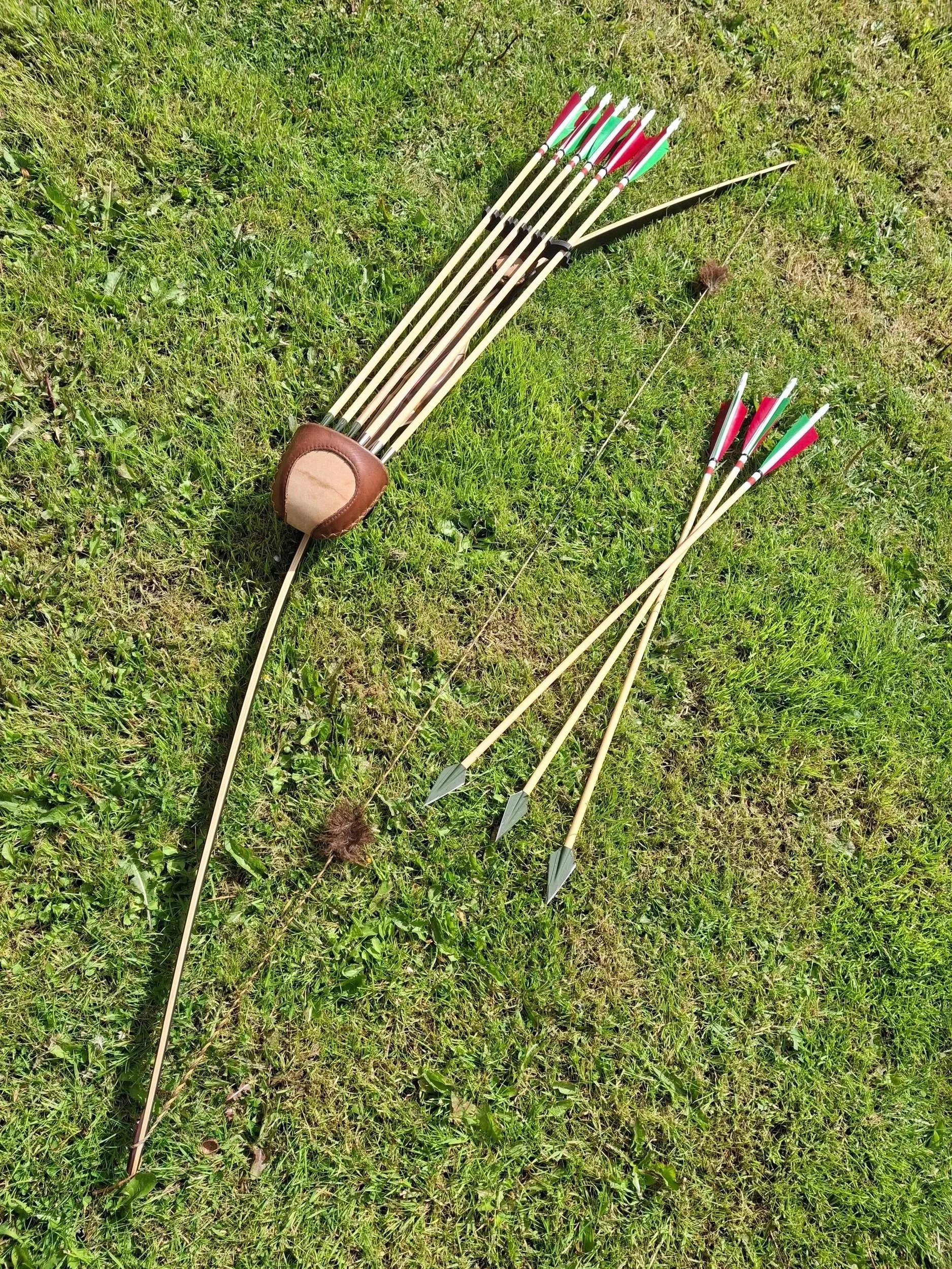
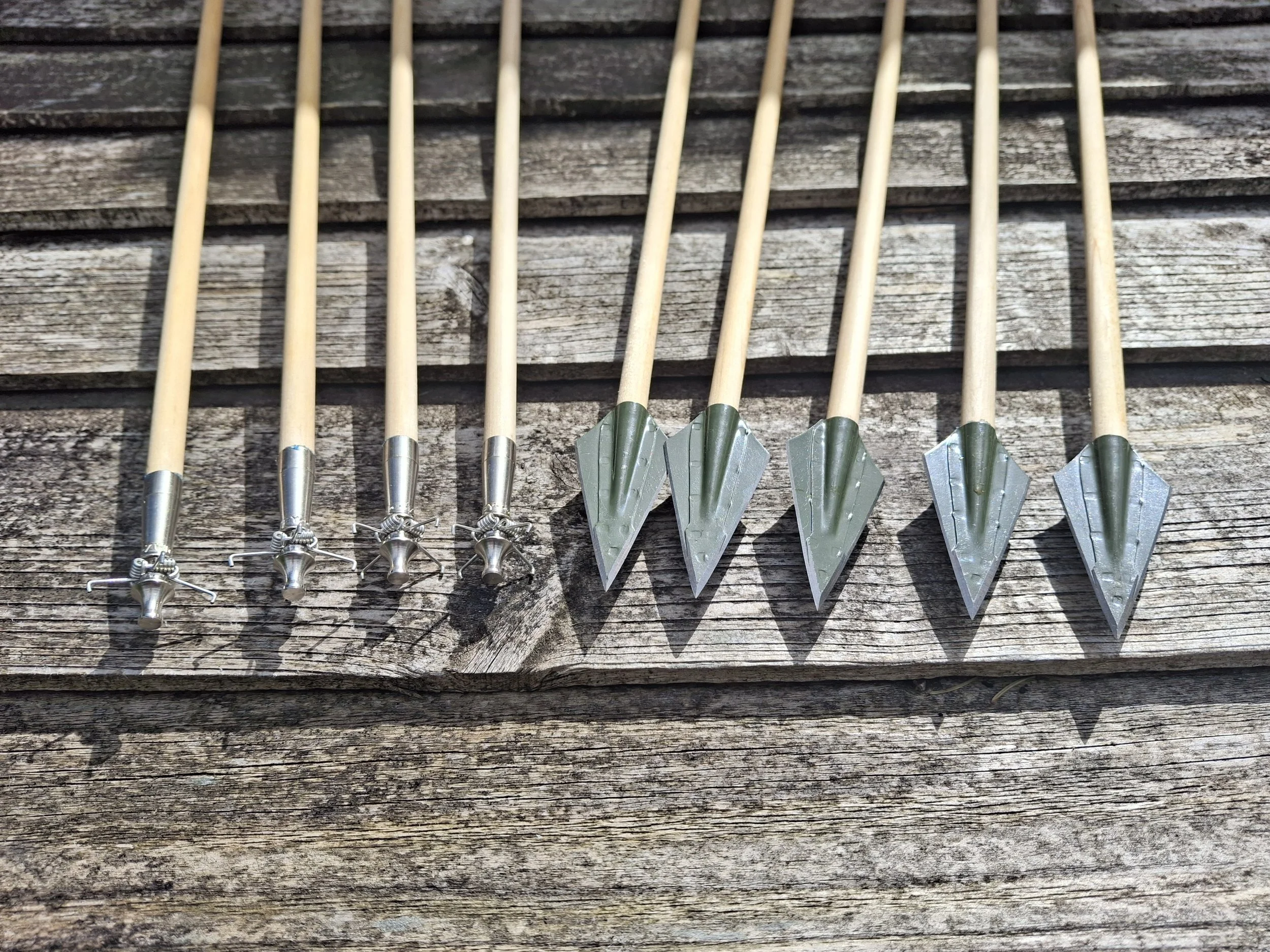
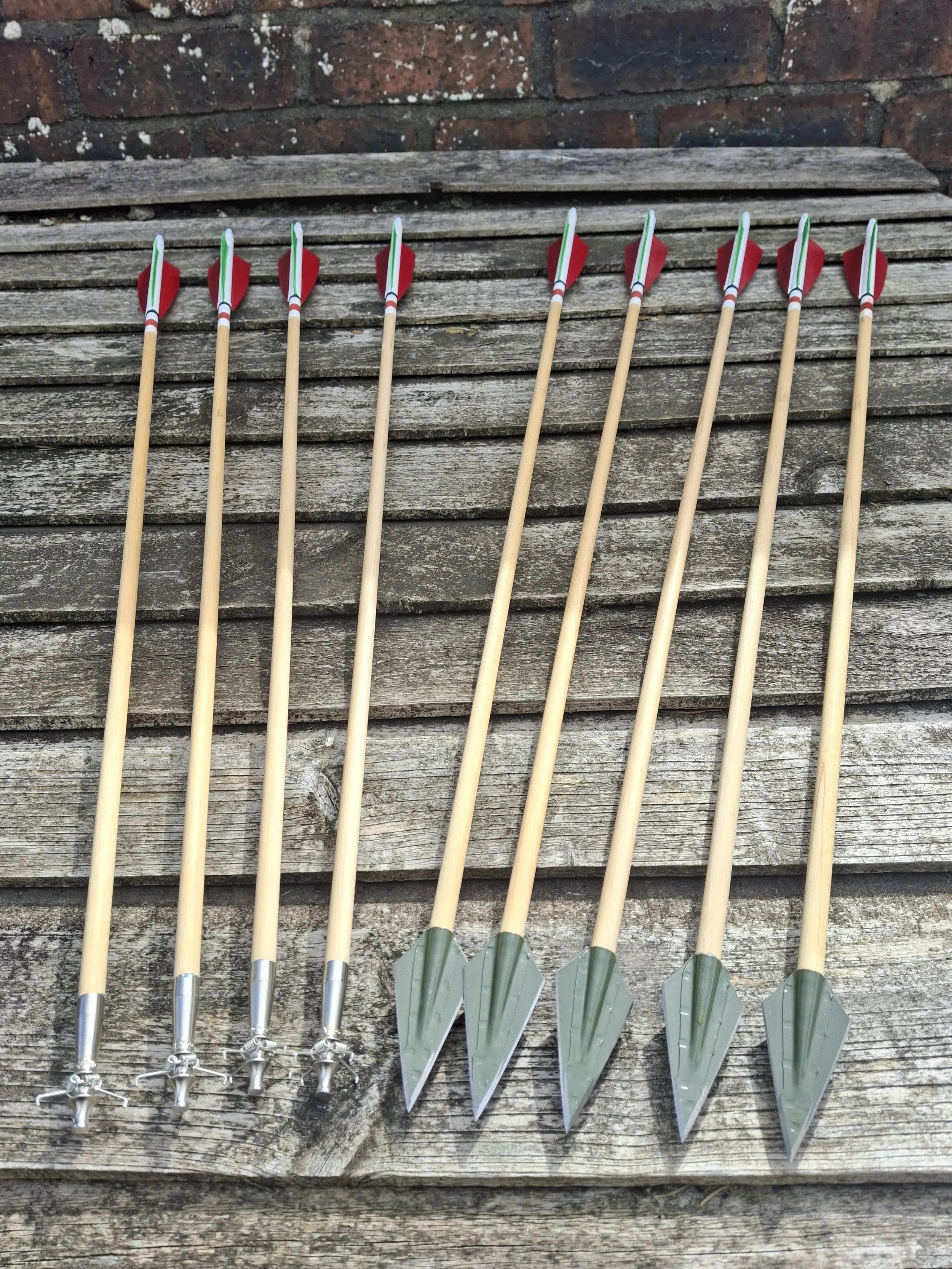
10. Bow and arrow
Finally, I took a bow - a tool deeply rooted in tradition.
Equipped with broadheads and small game points, it gave me the ability to hunt larger animals such as caribou or smaller game if the opportunity arose.
There are no guarantees with hunting - but having the option is invaluable.
Strategy over Equipment
Looking at the kit as a whole, the goal was balance:
Tools for building and firewood
Systems for trapping, fishing and hunting
Reliable methods for warmth and fire
Versatility without unnecessary duplication
Every item had to justify its place.