
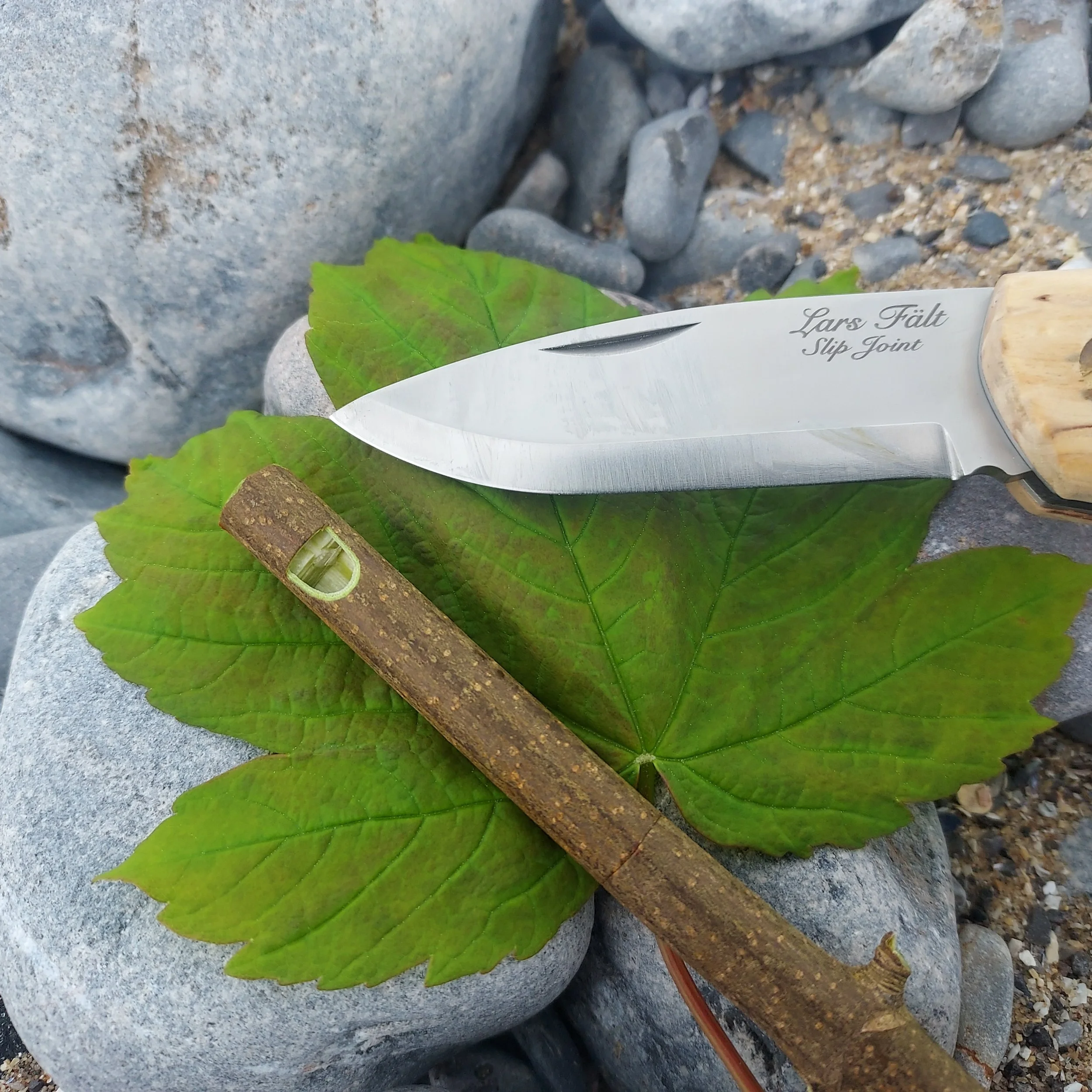
Simple. Loud. Surprisingly effective.
The sycamore twig whistle is one of those small, low-effort skills that delivers far more value than you’d expect. Made from a single piece of wood and requiring little more than a sharp knife and patience, it’s a great example of how traditional woodland knowledge can still serve a practical purpose today.
Despite its playful appearance, this whistle is loud. Loud enough, in fact, to be useful in an emergency. A whistle carries far further than a shout and requires far less energy to use—an important consideration in any survival situation. The international distress signal is six short whistle blasts in quick succession, repeated.
Step-by-Step: How to Make a Slip Back Whistle
Choosing the Right Wood
While sycamore is my first choice, other woods such as willow will also work. Sycamore has one key advantage: during the spring and summer, its bark separates cleanly from the wood beneath, making it ideal for this technique.
Look for straight, pencil-thick twigs in areas of secondary growth—hedgerows, coppiced woodland, or where trees have been cut back. Avoid winter collection, as the lack of sap makes it almost impossible to remove the bark without splitting it.
Step 1: Cut the Shaft
Find a straight twig around the thickness of a pencil and at least 15cm long. Cut it as close to the ground as possible—this encourages future growth.
Examine the twig and identify a straight section between two buds. Using a sharp knife, make an angled cut just below a bud. This angled face will become the mouthpiece of the whistle.
Step 2: Cut the Sound Notch
At the top of the whistle, carefully cut a small notch where the sound will escape. Take your time here—too large and the whistle won’t work. The flat edge of the notch should cut just deep enough to mark the wood beneath the bark.
Precision matters more than speed.
Step 3: Loosen the Bark
Around 4cm back from the mouthpiece, carefully cut through the bark all the way around the twig. Be careful not to cut into the wood itself.
Place the twig on a firm, smooth surface. Using the handle of your knife or a small wooden baton, gently tap the bark all the way around. This bruises the cambium layer beneath and allows the bark to separate cleanly. Patience here makes the next step much easier.
Step 4: Remove the Bark
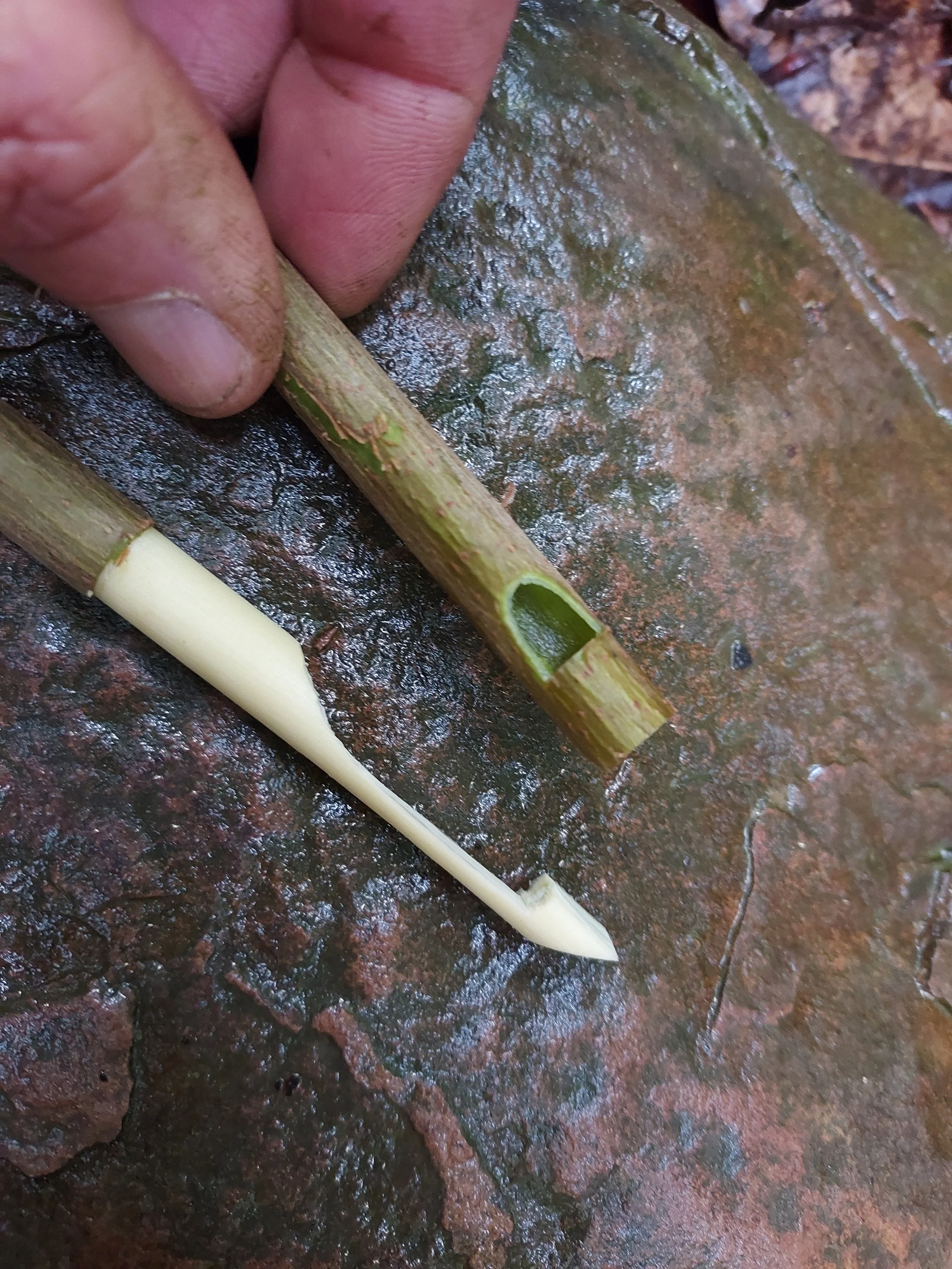
Grip the twig firmly and gently twist. If the bark has loosened properly, you’ll feel (and often hear) a small pop as it separates from the wood.
Carefully slide the bark tube off and place it somewhere safe—it’s fragile and easy to damage.
Step 5: Shape the Air Channel
Using your knife, shave a thin layer (around 2–3mm) from the top of the wooden core. This creates the channel that directs air into the whistle.
Next, carefully hollow out the sound chamber, removing as much wood as possible without snapping the shaft. This takes practice—work slowly and check your progress often.
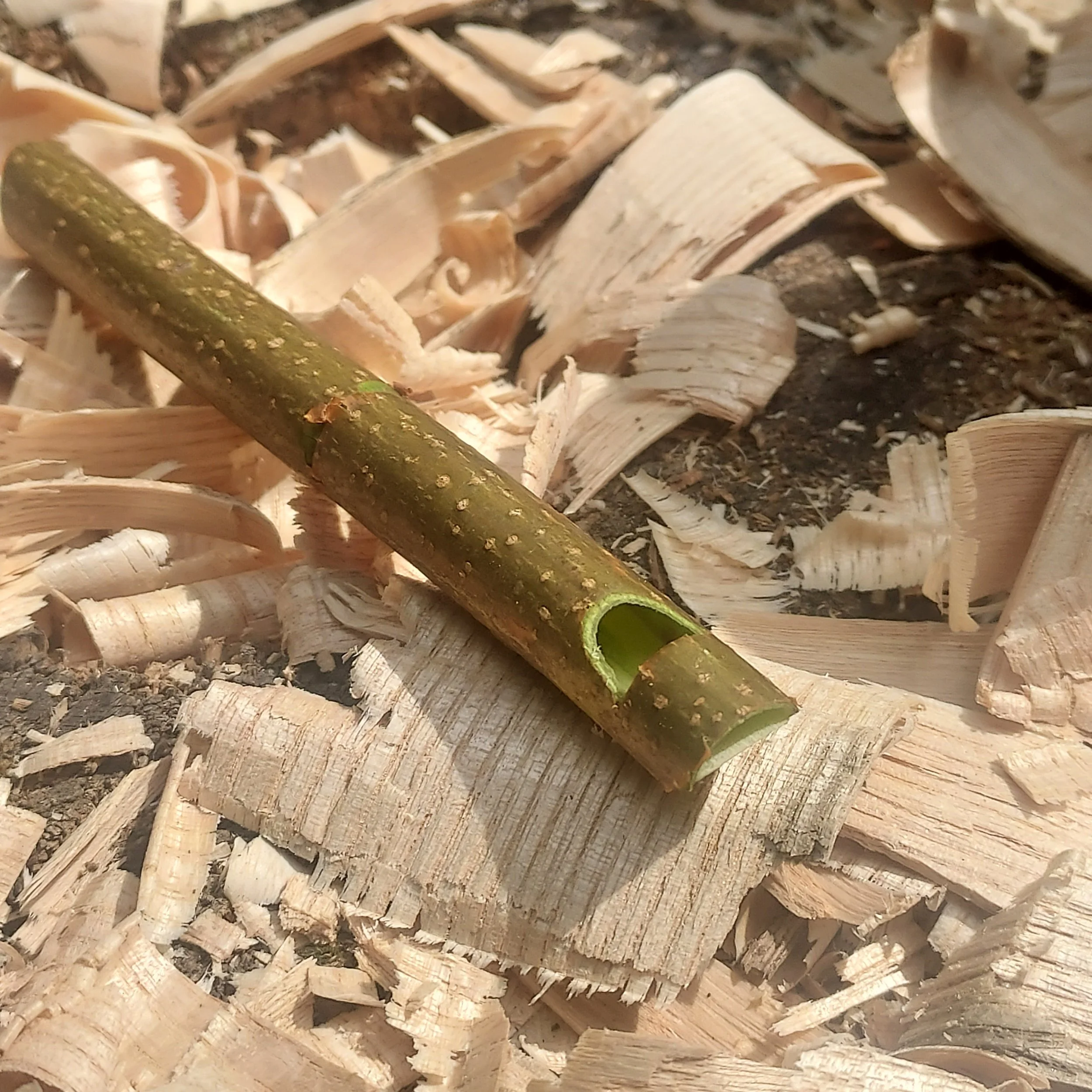
Once complete, slide the bark tube back into position.
A Small Tool with Big Value
You now have a working sycamore twig whistle.
It’s a simple piece of woodland craft, but one that teaches knife control, patience, and an understanding of how natural materials behave. More importantly, it’s a reminder that even the smallest skills can have real value—whether for signaling, teaching, or simply reconnecting with traditional ways of working with the land.
Just be mindful of when and where you test it. They really are loud.
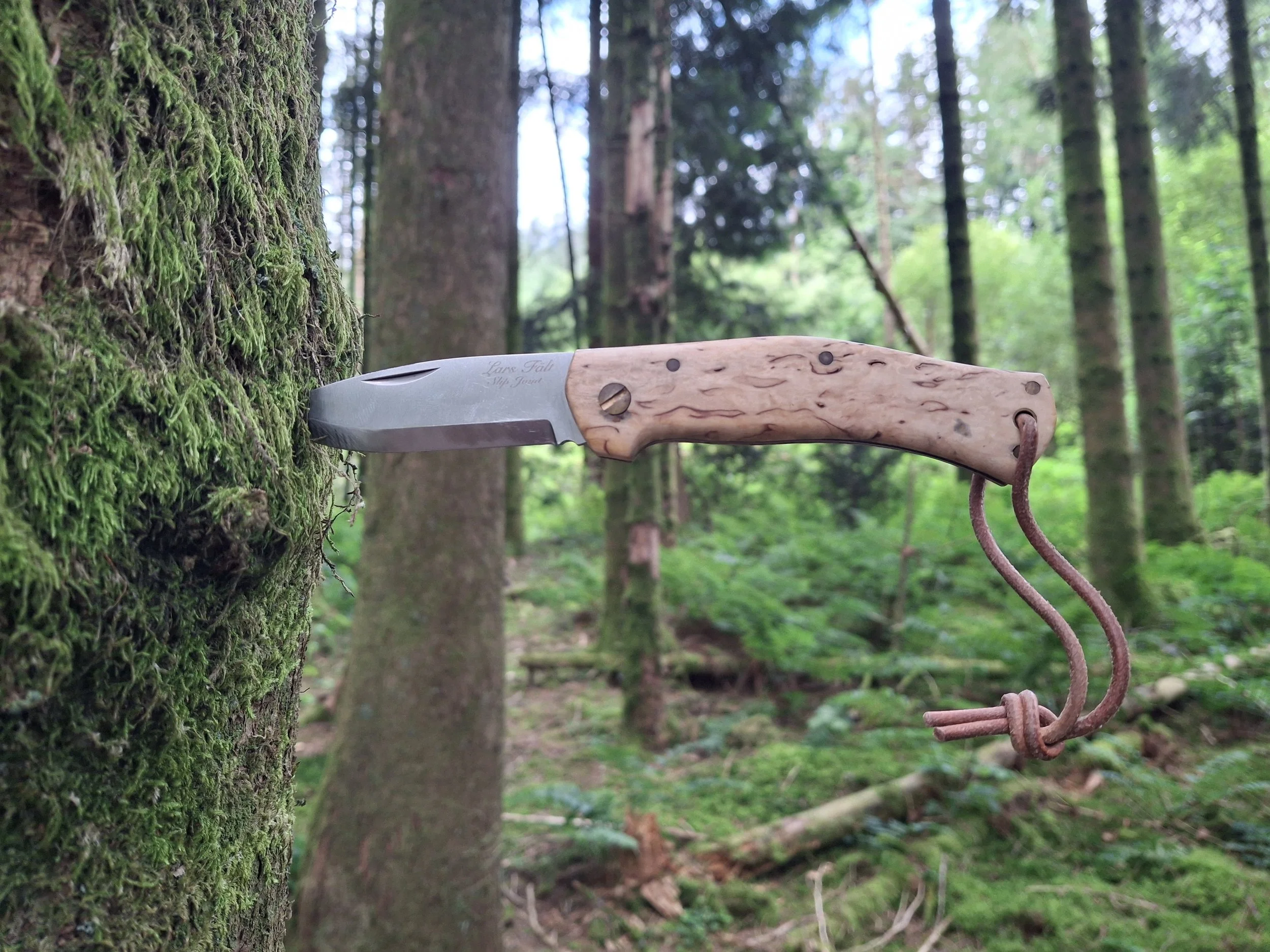
Casström Lars Fält Slip Joint
The knife I used to make the slip bark whistle is the Casström Lars Fält Slip Joint.
Designed for everyday practicality without compromising on performance, The Casström Lars Fält Slip Joint is your go-to UK-legal EDC knife. Co-created with Swedish survivalist Lars Fält, this non-locking folding knife delivers rugged reliability in a compact, pocket-friendly design.
Perfect for urban carry, outdoor adventures, or bushcraft tasks, the Lars Fält Slip Joint offers durability and craftsmanship in a form that complies with UK knife laws. Whether you are whittling, slicing, or prepping gear in the field, this folding knife ensures you are always prepared-legally and practically.